Reflexology, Emotions & the Body
Understanding the Emotional Link Behind Tension, Stress & Wellbeing
In recent years, more people have begun recognising something holistic therapists have observed for decades — the body often reflects what the mind is struggling to process.
Stress, anxiety, grief, emotional overwhelm and trauma can all show up physically within the body. Tight shoulders. Digestive discomfort. Jaw tension. Poor sleep. Headaches. Chronic fatigue. Feeling emotionally “stuck.”
While reflexology is not a treatment for mental health conditions, many clients seek reflexology because they want support with relaxation, stress reduction and emotional wellbeing alongside appropriate medical care and professional support.
At Renew Therapies, we often see how emotional stress and physical tension are closely connected.
Can Emotions Affect the Body?
Modern research continues to explore the connection between emotional stress and physical symptoms. When the nervous system remains in a prolonged state of stress or hypervigilance, the body may stay in “fight or flight” mode for extended periods.
This can contribute to symptoms such as:
Muscle tension
Shallow breathing
Digestive disruption
Poor sleep
Fatigue
Teeth grinding and jaw tension
Headaches
Feeling emotionally overwhelmed
Nervous system dysregulation
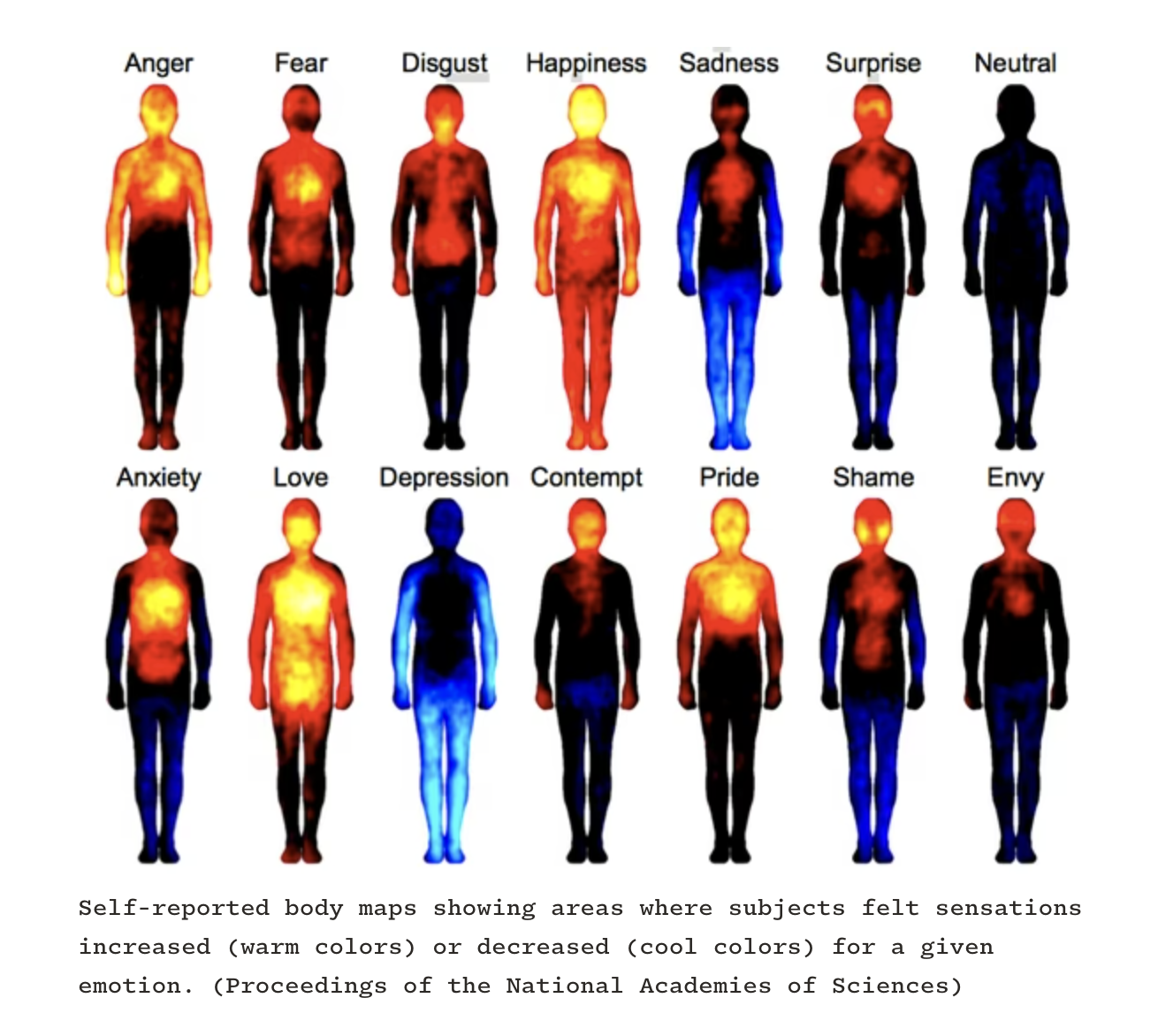
Many people describe carrying stress “in the body.”
Common examples include:
A tight chest during anxiety
A “knot” in the stomach during worry
Holding tension in the neck and shoulders
Feeling emotionally heavy or exhausted
Clenching the jaw during stress or trauma
The body and mind are not separate systems. Emotional experiences can influence physical wellbeing — and physical relaxation can influence emotional wellbeing.
What Is Reflexology?
Reflexology is a complementary therapy based on the theory that specific points on the feet, hands and face correspond with different areas of the body.
A reflexology treatment typically involves applying pressure techniques to these reflex points to encourage deep relaxation and support overall wellbeing.
Many clients report feeling:
Deeply relaxed
Emotionally lighter
Calmer mentally
More grounded
Less tense physically
Better able to sleep
Although reflexology should not be used as a replacement for medical or psychological treatment, it may support stress management and relaxation as part of a wider wellbeing approach.
The Emotional Side of Reflexology
Some reflexologists work with a more holistic perspective that explores the possible emotional associations linked to different body systems and reflex areas.
For example:
Digestive areas may be discussed in relation to stress or “gut feelings”
Shoulder and neck reflexes may relate to tension and pressure
Jaw and head reflexes may connect with mental overload or emotional stress
Chest and diaphragm areas may be associated with breath, anxiety and emotional holding patterns
This approach is sometimes referred to as emotional reflexology or reflexology for emotional wellbeing.
It is important to understand that these emotional interpretations are not medical diagnoses and should never replace qualified mental health support.
Instead, they can provide a framework for self-awareness, relaxation and therapeutic conversation within a safe professional setting.
Trauma & “Stored” Tension in the Body
The phrase “trauma stored in the body” is widely discussed within wellness and therapeutic communities. While trauma is complex and individual, many healthcare and therapeutic disciplines recognise that emotional experiences can influence the nervous system and physical responses.
People who have experienced prolonged stress or emotional trauma may notice:
Chronic muscular tension
Hypervigilance
Breath holding
Difficulty relaxing
Digestive issues
Sleep disturbances
Physical guarding patterns
Therapies focused on relaxation, grounding and nervous system regulation may help clients reconnect with their bodies and create a sense of calm and safety.
Reflexology sessions are often described as deeply grounding because treatments are slow, rhythmic and nurturing — encouraging clients to pause, breathe and relax.
Reflexology & Mental Wellbeing
Reflexology does not treat mental health disorders. However, many clients use complementary therapies alongside conventional healthcare to support their overall wellbeing.
Clients experiencing stress, burnout or emotional overwhelm often seek reflexology because it may help them:
Slow down physically and mentally
Improve relaxation
Create time for self-care
Feel calmer and more balanced
Support better sleep
Reduce feelings of stress and tension
For some people, simply having dedicated time to rest, breathe and feel cared for can have a powerful impact on wellbeing.
The Importance of Safe Practice
Professional reflexologists should always work within their scope of practice.
A reflexologist should never:
Diagnose mental health conditions
Advise clients to stop medication
Claim to cure trauma, anxiety or depression
Promise emotional healing outcomes
Instead, treatments should focus on:
Relaxation
Supporting wellbeing
Creating a calm therapeutic environment
Encouraging self-awareness
Working collaboratively with other healthcare support where appropriate
Ethical, trauma-aware practice is essential.
A More Holistic Approach to Wellbeing
Many people today are looking for therapies that consider the whole person — not just physical symptoms alone.
Reflexology offers a gentle, supportive space where physical relaxation and emotional wellbeing may be explored together.
Whether someone is carrying stress in their shoulders, tension in their jaw, overwhelm in their nervous system or emotional exhaustion from daily life, reflexology can become part of a wider self-care and wellbeing journey.
Interested in Learning More?
At Renew Therapies Wellbeing Centre & Training Academy, we offer reflexology treatments and professional training courses designed to explore both the physical and emotional aspects of wellbeing in a safe, ethical and grounded way.
Our upcoming workshops and CPD training will explore:
Reflexology and emotional wellbeing
Stress and nervous system awareness
Emotional reflex point theory
Holistic consultation skills
Creating calming, client-centred treatments
For upcoming training and workshops, visit:
www.renew-therapies.com